








Publication Date : 24 Haziran 2024
What is a crane?
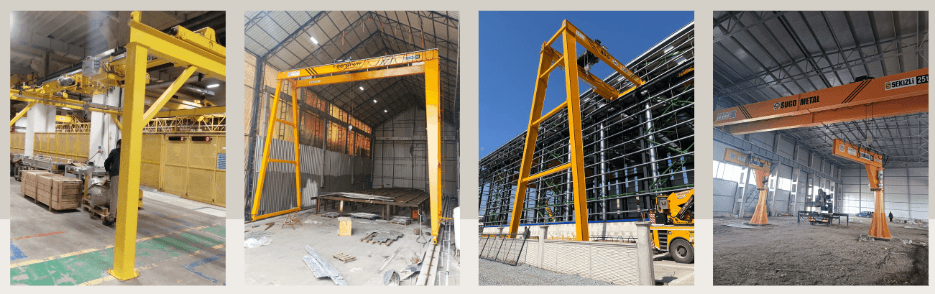
Cranes are indispensable pieces of equipment in modern industry and the construction sector, enabling the vertical and horizontal movement of heavy loads. Their basic operating principle is to provide mechanical advantage and precisely transport tons-weight loads that human power alone cannot handle.
Below is a detailed overview of the two main crane types most commonly used in industry: Overhead Cranes and Gantry Cranes.
1. Overhead Cranes (Gezer Köprülü Vinçler)
Overhead bridge cranes are typically used in enclosed factory floors, hangars, or warehouses. In this system, the crane bridge moves on rails mounted on the structural columns of the building.
Types According to Structural Features
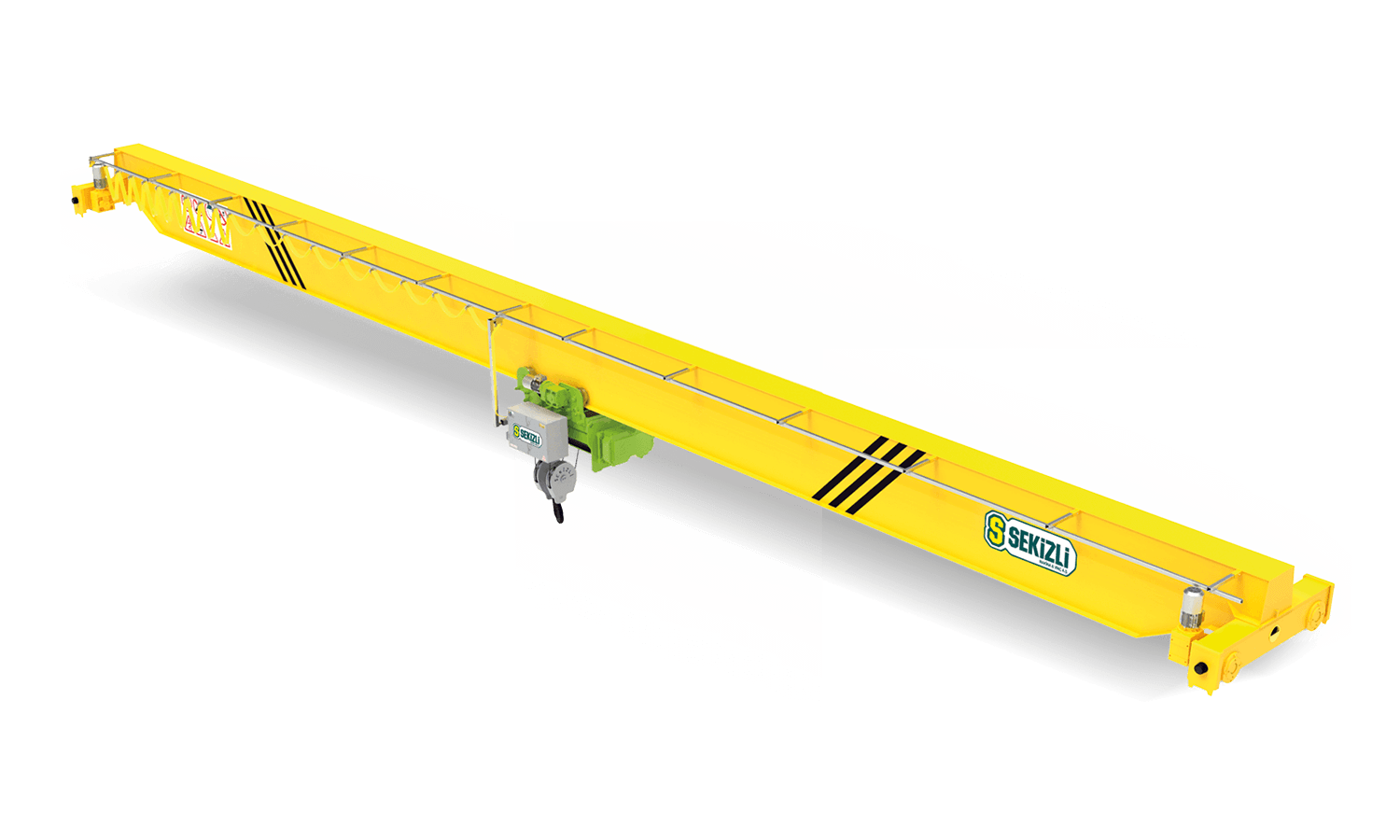
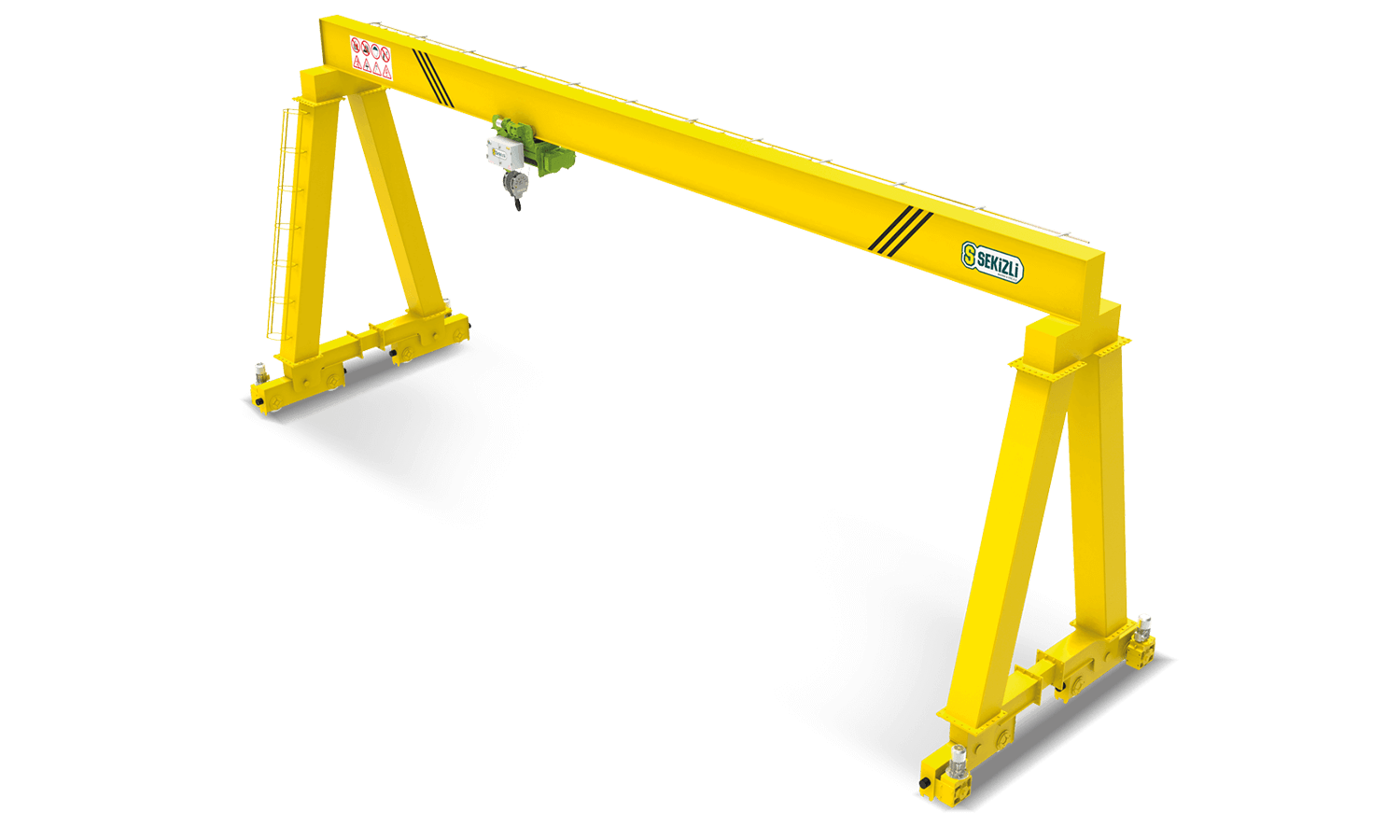
Single-Girder Overhead Cranes: The bridge consists of a single steel beam. The hoisting group (crawler) moves on the lower flange of this beam. Generally, it is economical for capacities between 1-20 tons and narrow openings.
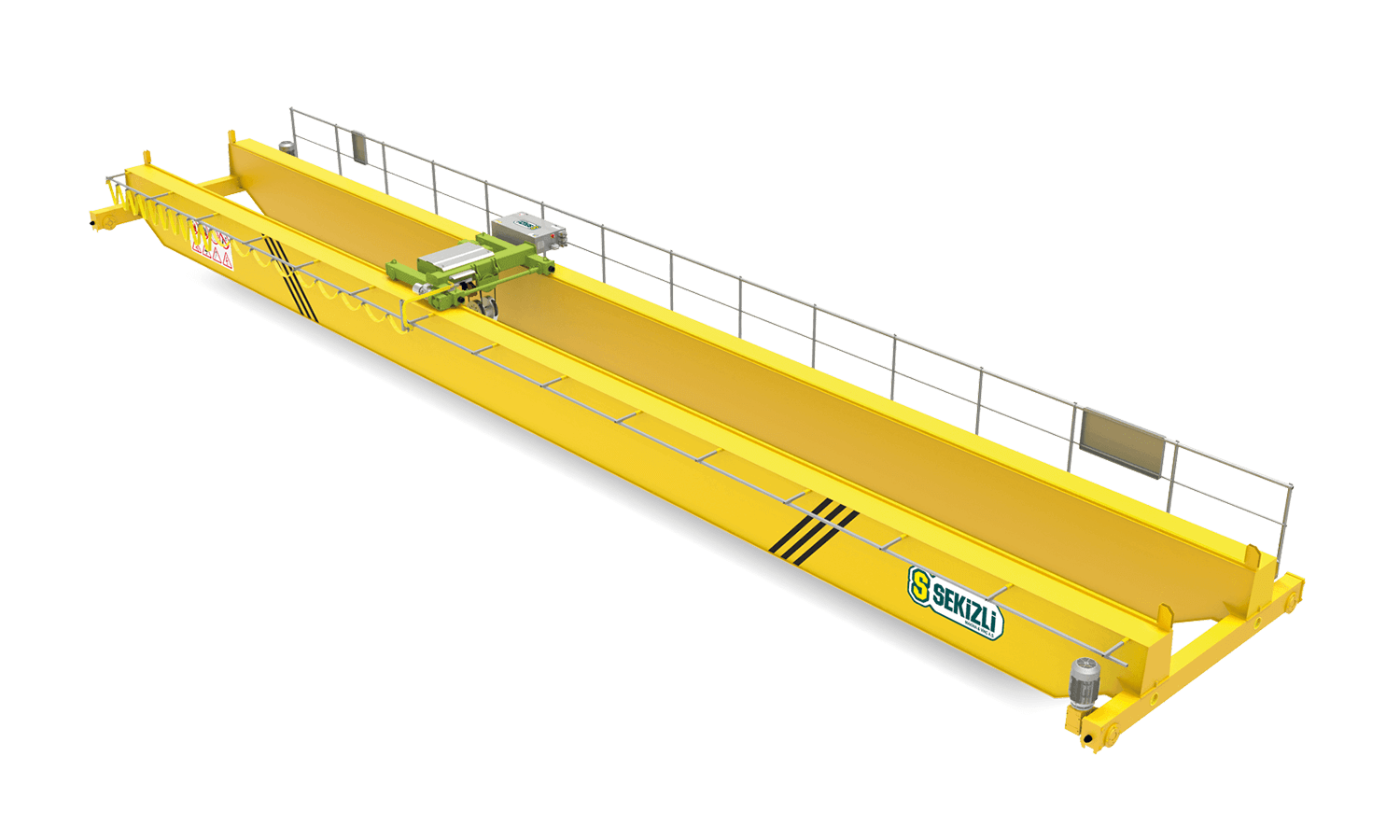
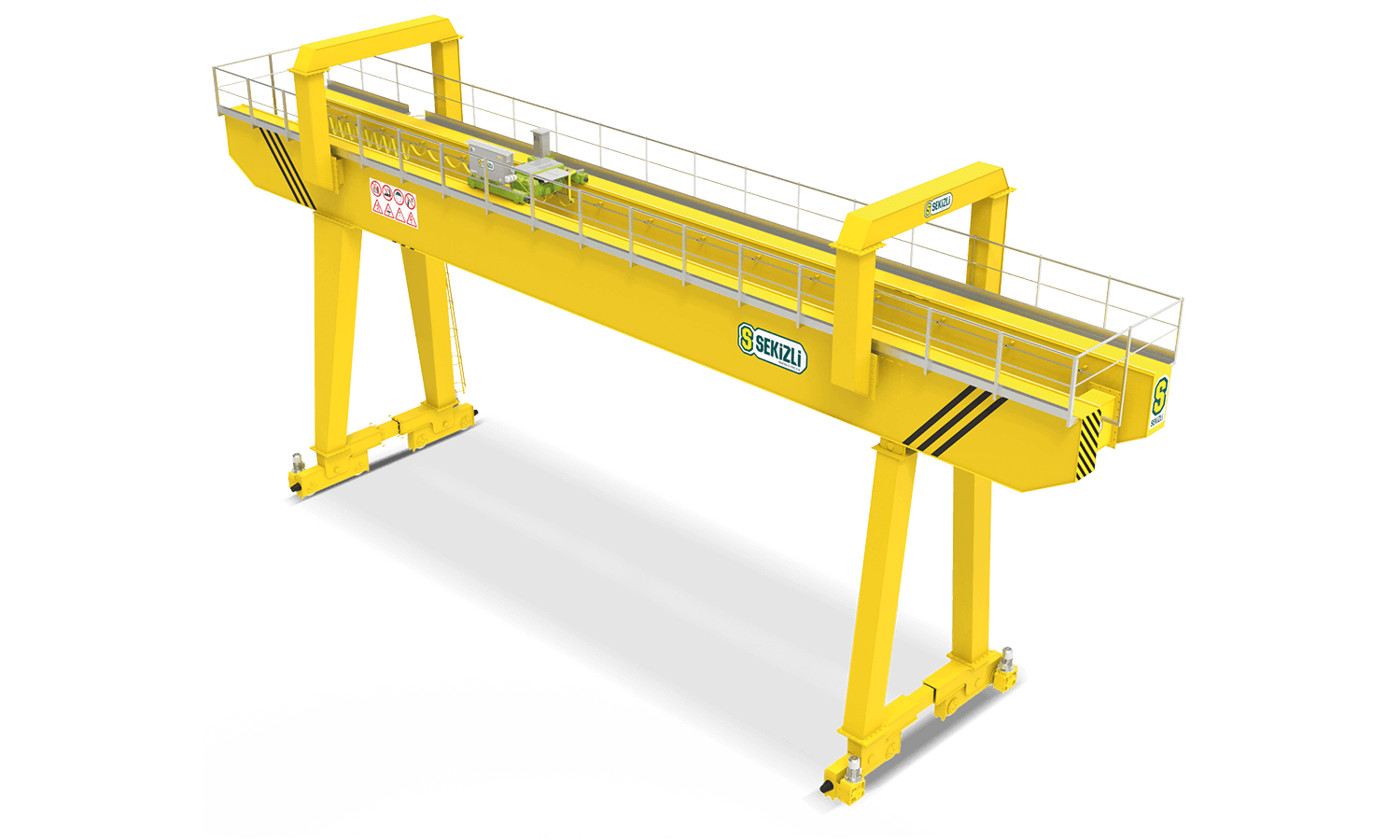
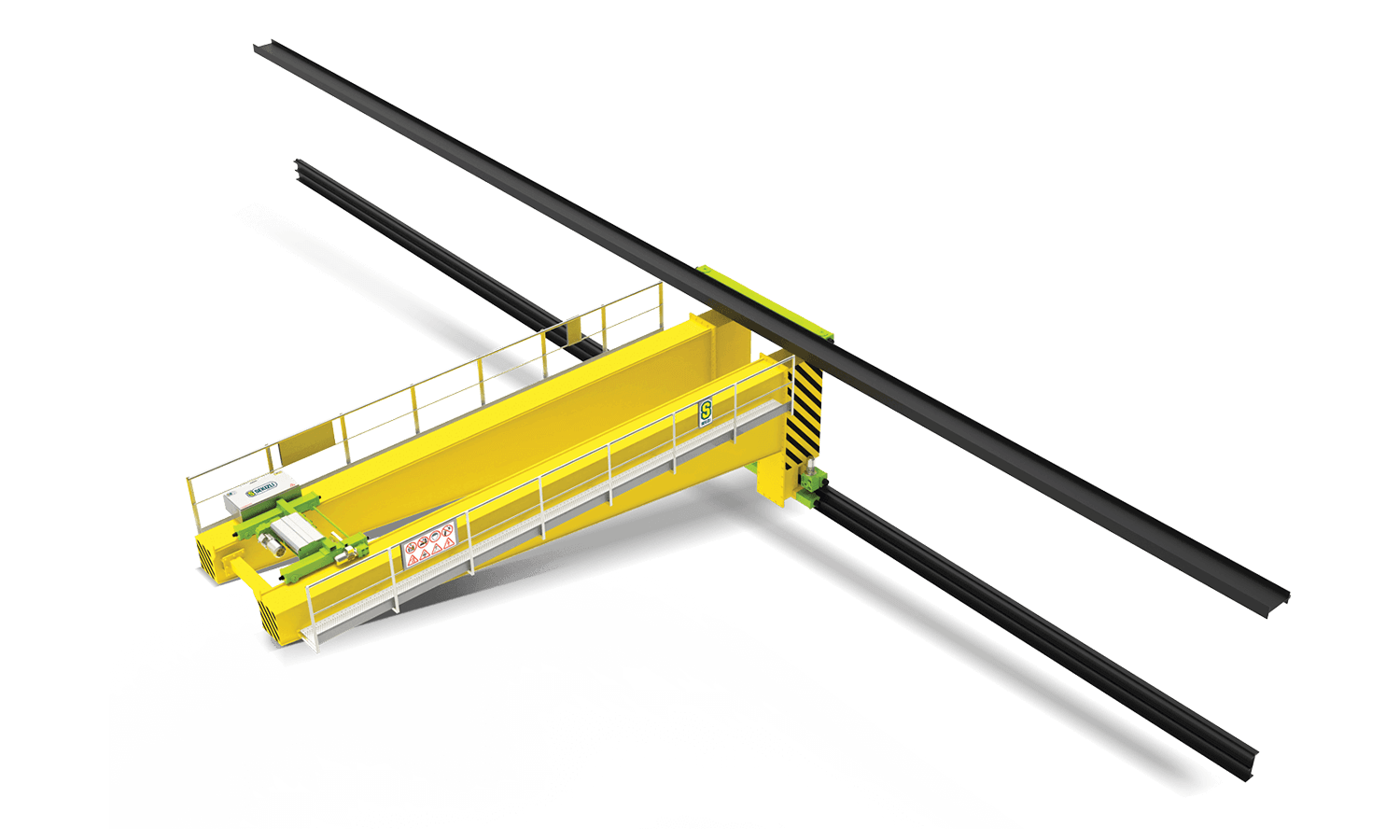
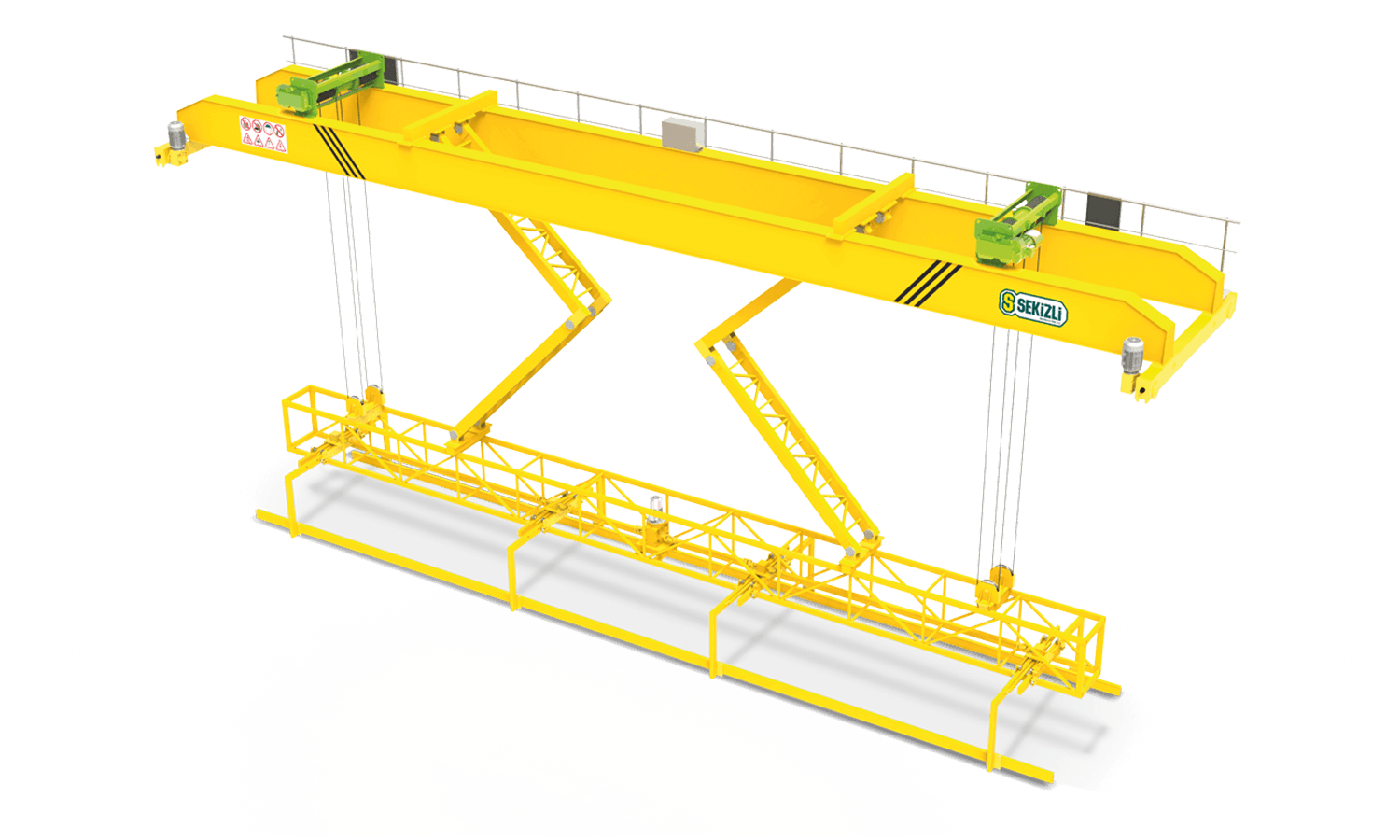
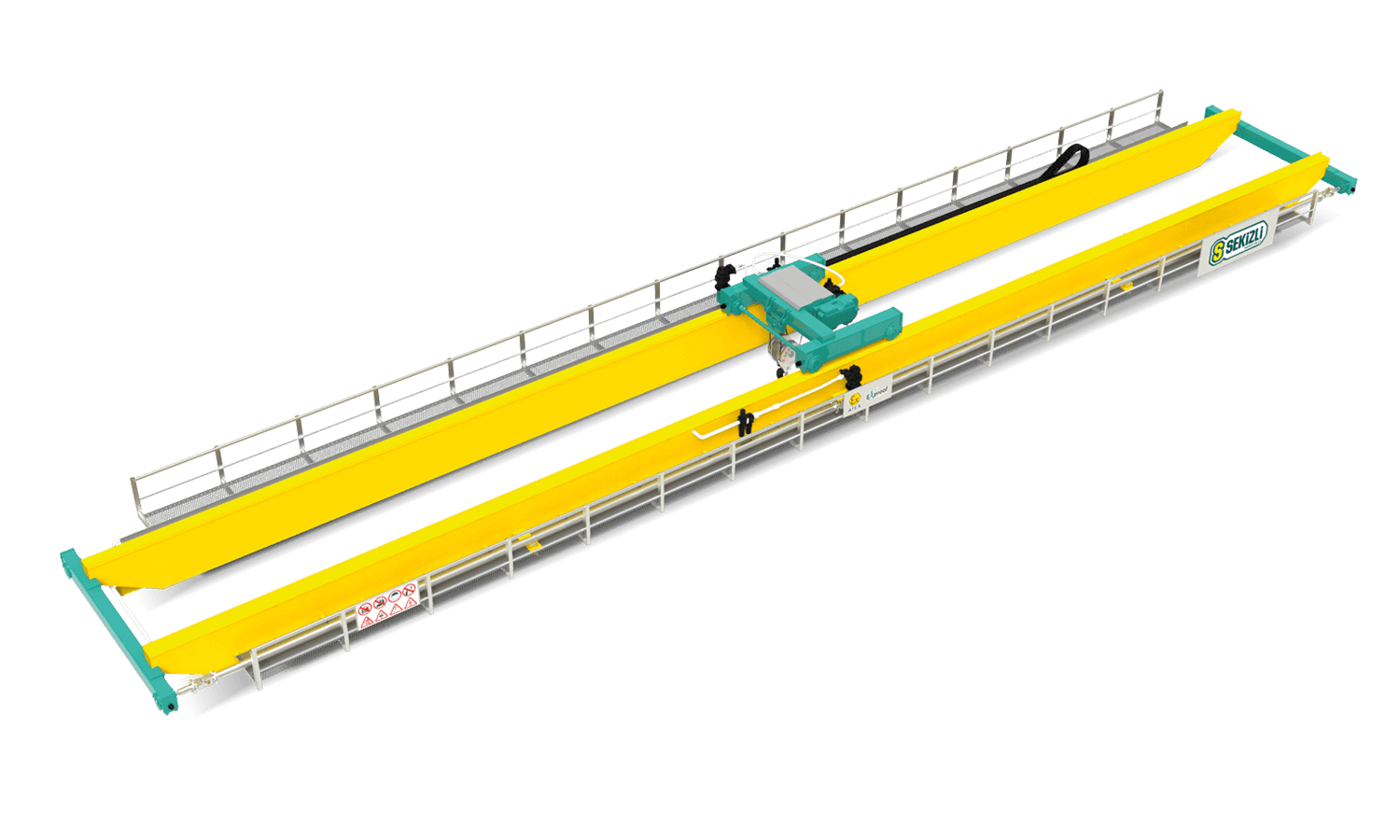
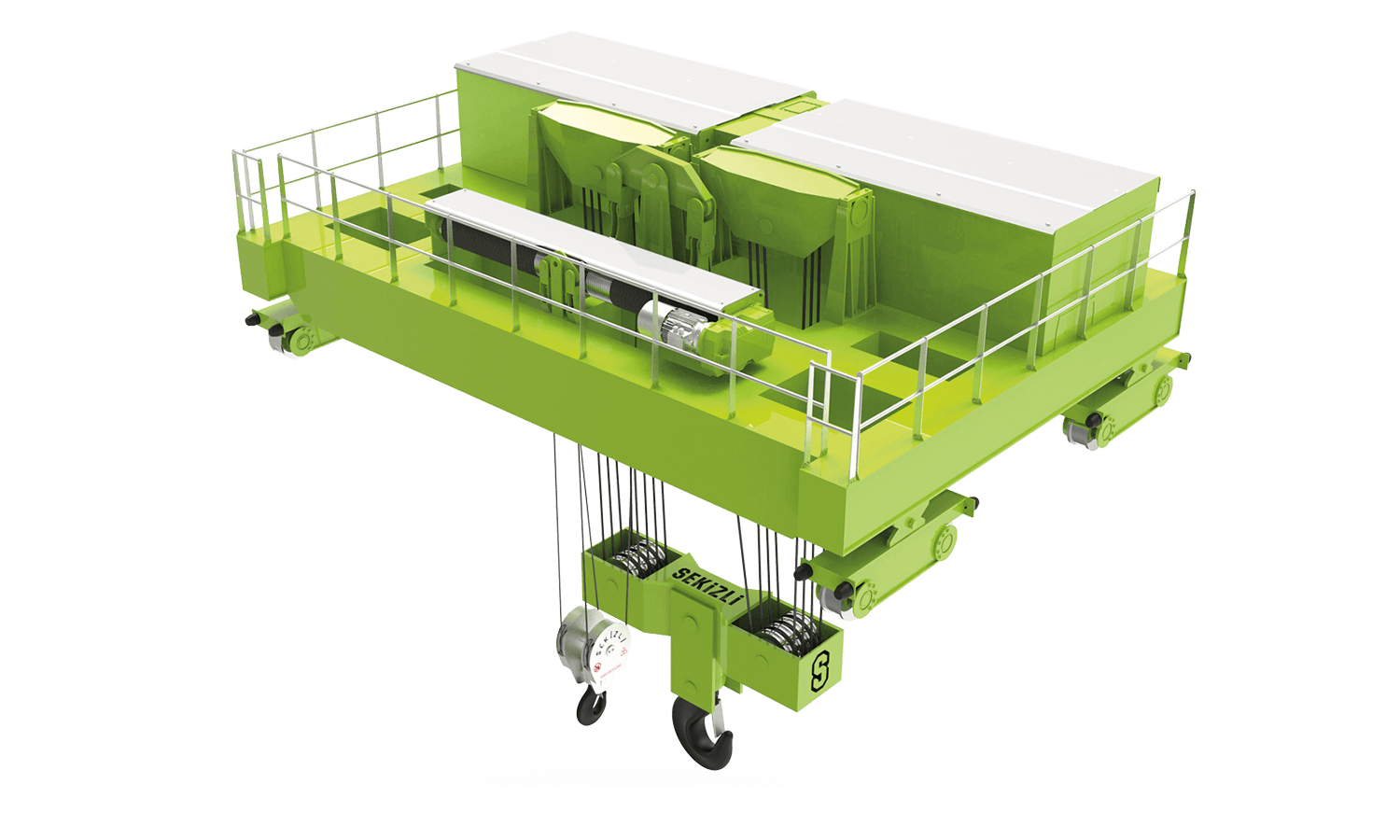
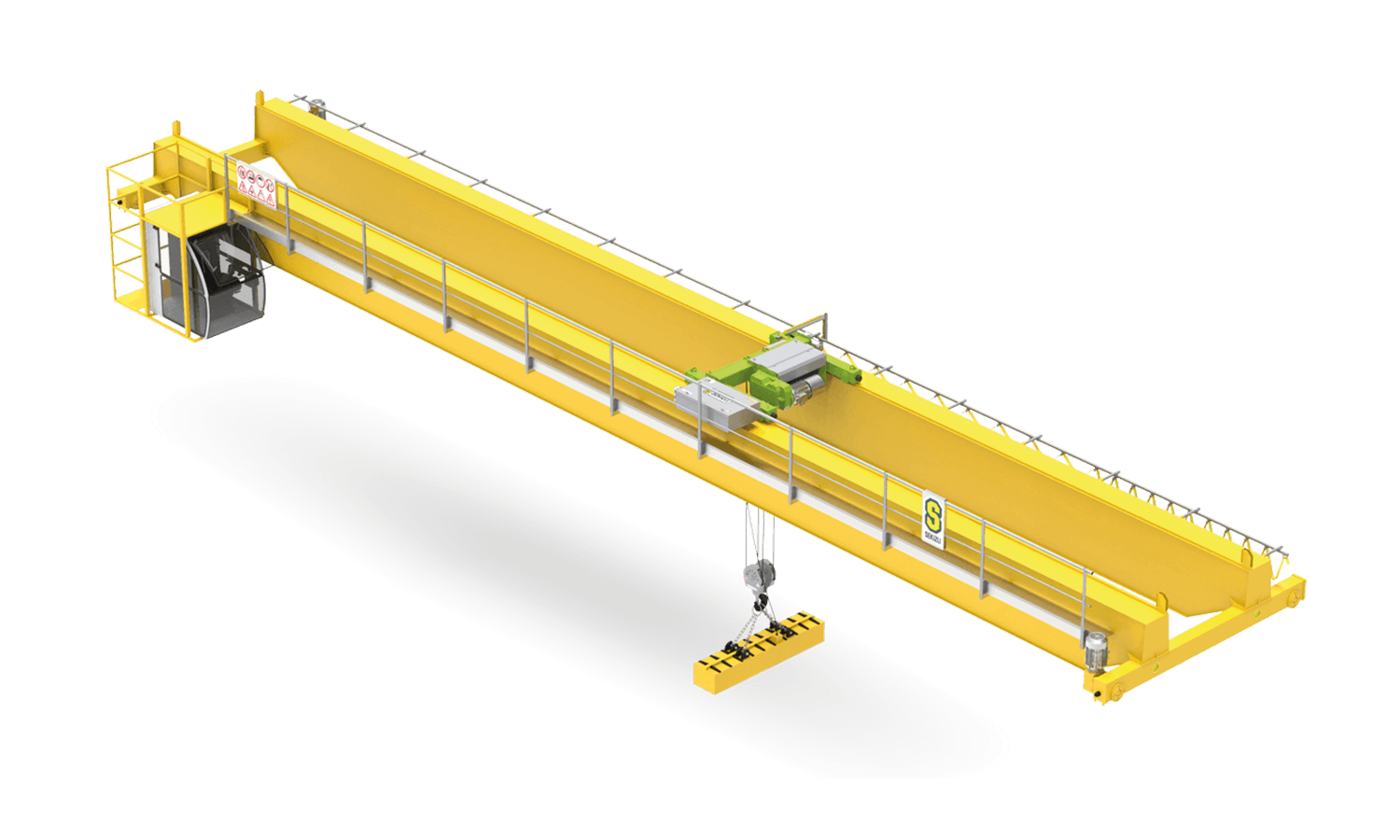
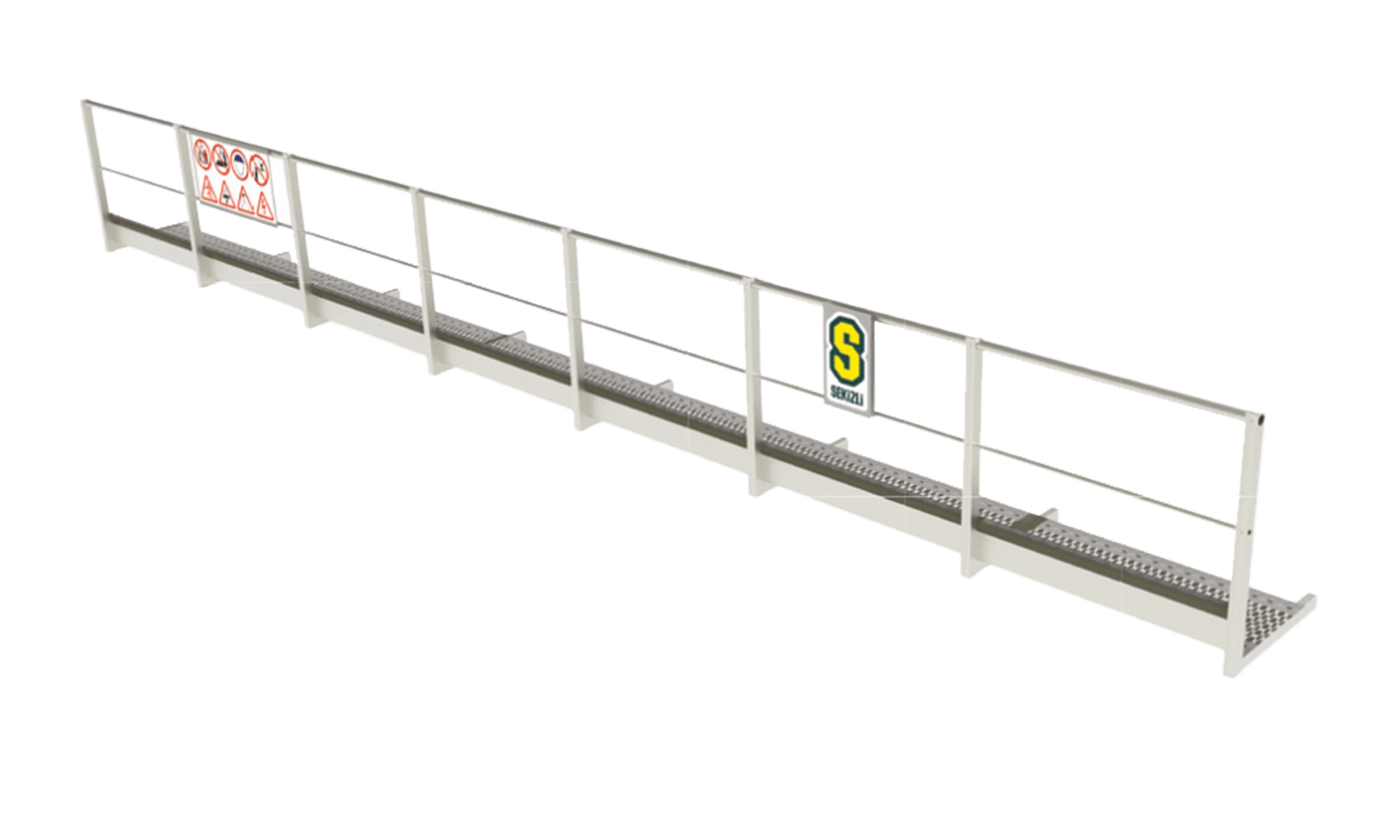
Double Girder Overhead Cranes: Consist of two parallel main beams. The lifting group moves on rails that rest on the two beams. Suitable for high lifting capacities (up to 500 tons) and wide spans. It provides ease of service because the maintenance platform can be added.
2. Gantry Cranes (Gantry Cranes)
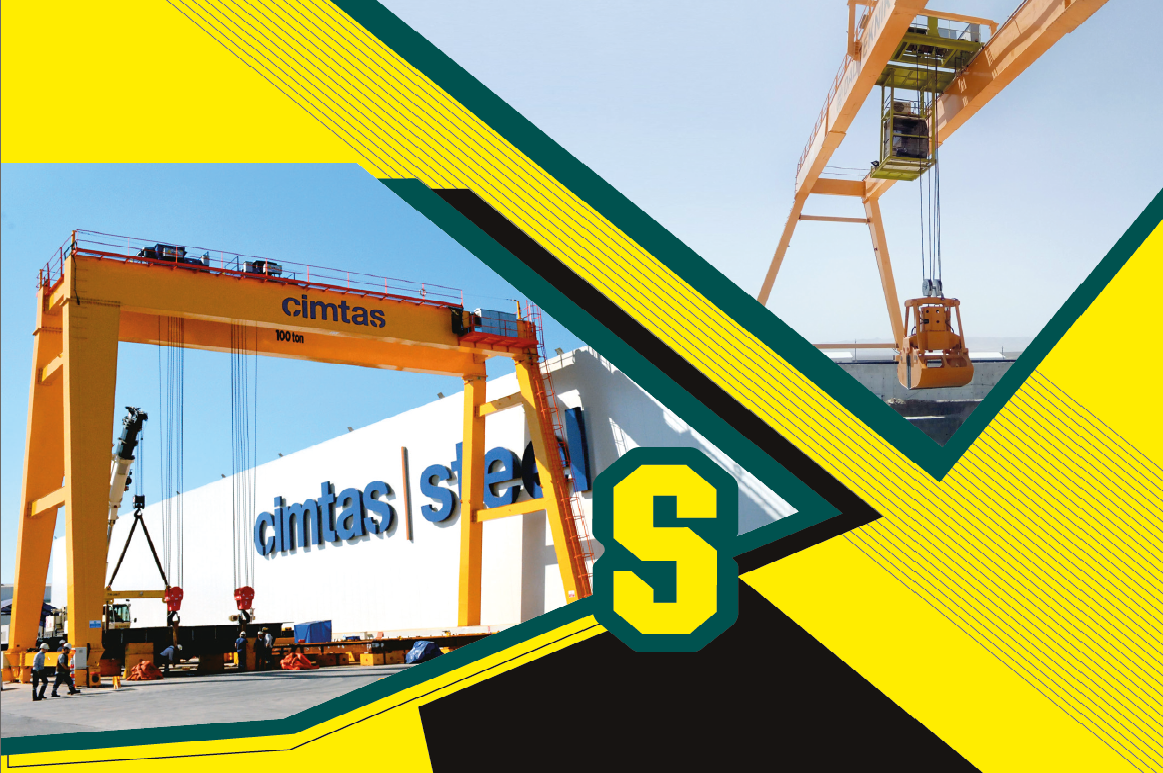
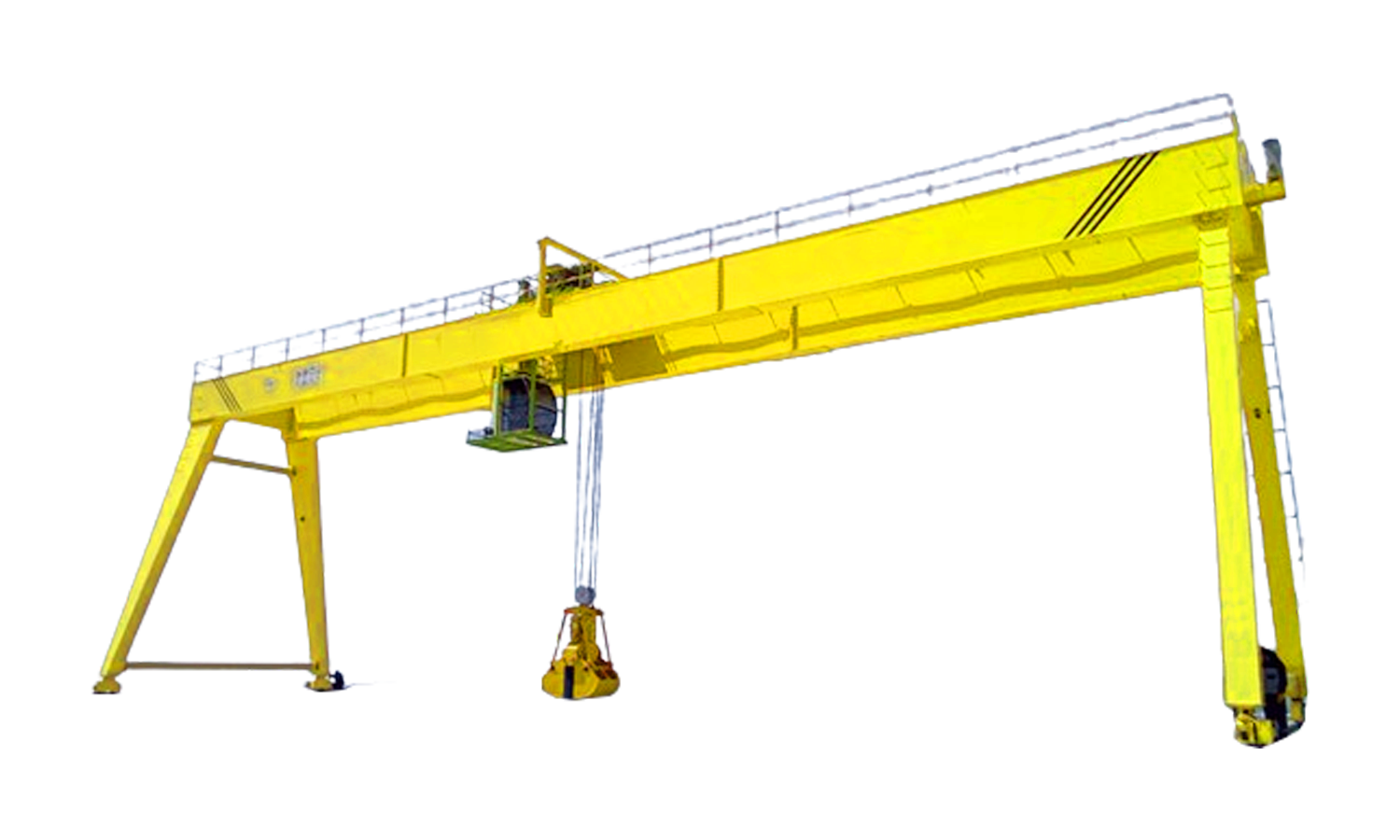
Portal cranes are systems that move on rails laid on the ground, supported solely by their own legs, without requiring ceiling or column support in the building. They are typically preferred in marble quarries, ports, iron stockyards, and construction projects in open areas.
Design Differences
Full Portal Crane: It has support legs on both sides and moves freely in open areas.
Semi-Gantry Crane (Semi-Gantry): One side sits on the rail line of the building and the other side sits on a rail on the ground. It is used in the areas next to the building where it is desired to save space.
Comparison According to Beam Structures
The most critical decision in crane selection is determining the beam structure (Single vs. Double Girder).
Feature
Single Girder Cranes
Double Girder Cranes
Capacity
Low and Medium (Generally <20-25 tons)
Very High (500+ tons)
Lifting Height
The hook is limited because it is below the beam.
The hook can be pulled between two beams, providing maximum height.
Cost
It is lighter and more economical.
It is heavier and more costly.
Assembly
It provides quick and easy installation.
Requires a more complex assembly process.
Application Areas
Small workshops, assembly lines.
Heavy industry, foundries, large warehouses.
Basic Components
Both types of cranes consist of the following main components:
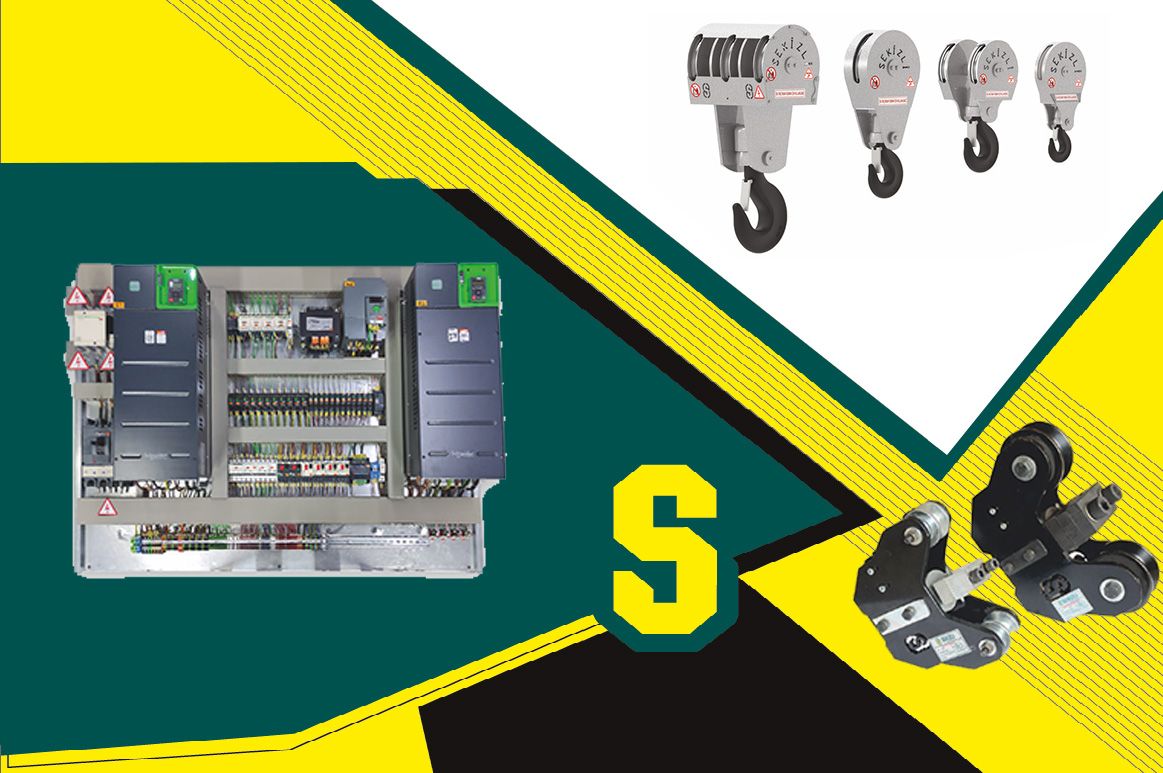
Bridge (Bridge): The main body in which the load is transported.
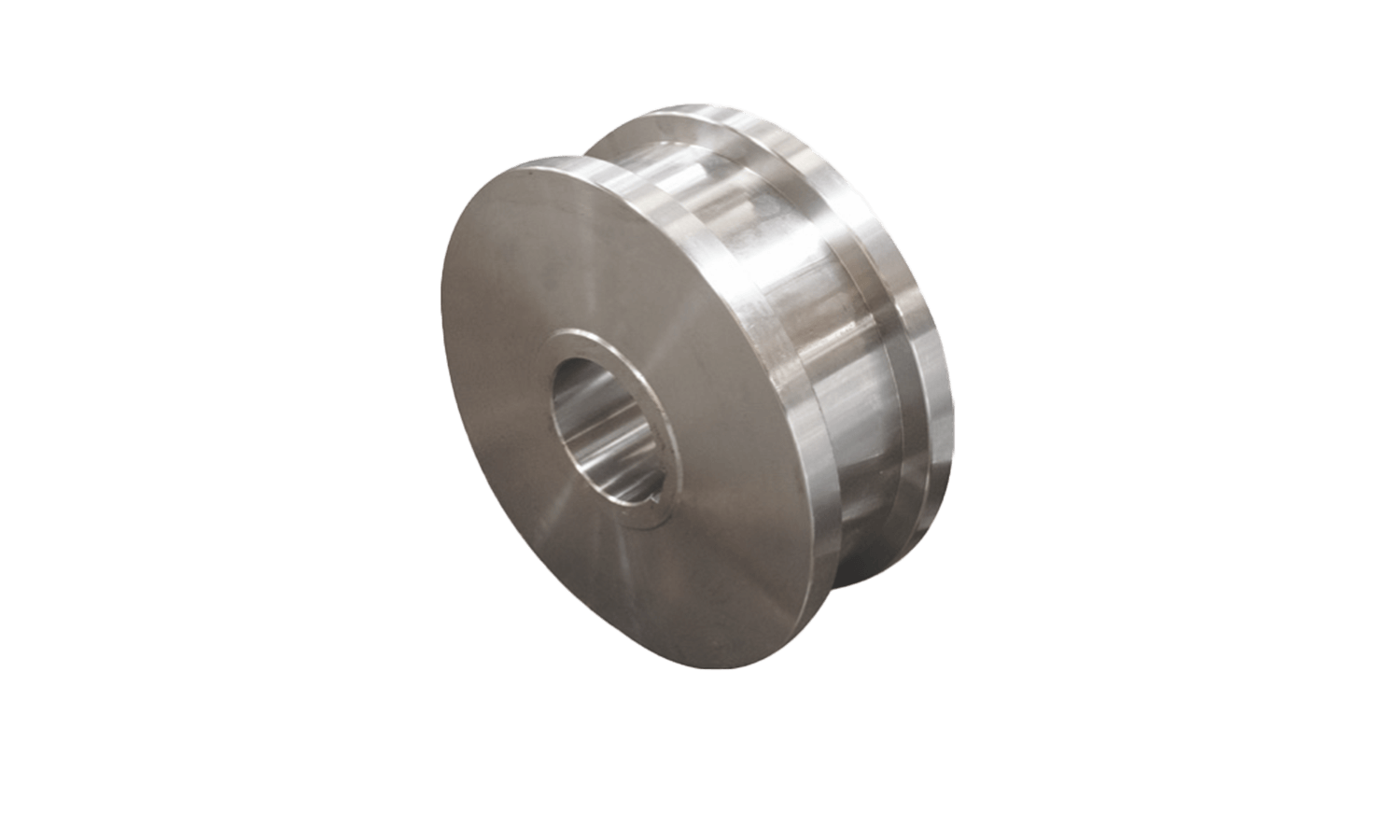
Walking Teams (End Trucks): Wheeled mechanisms that enable the bridge to move along the rails.
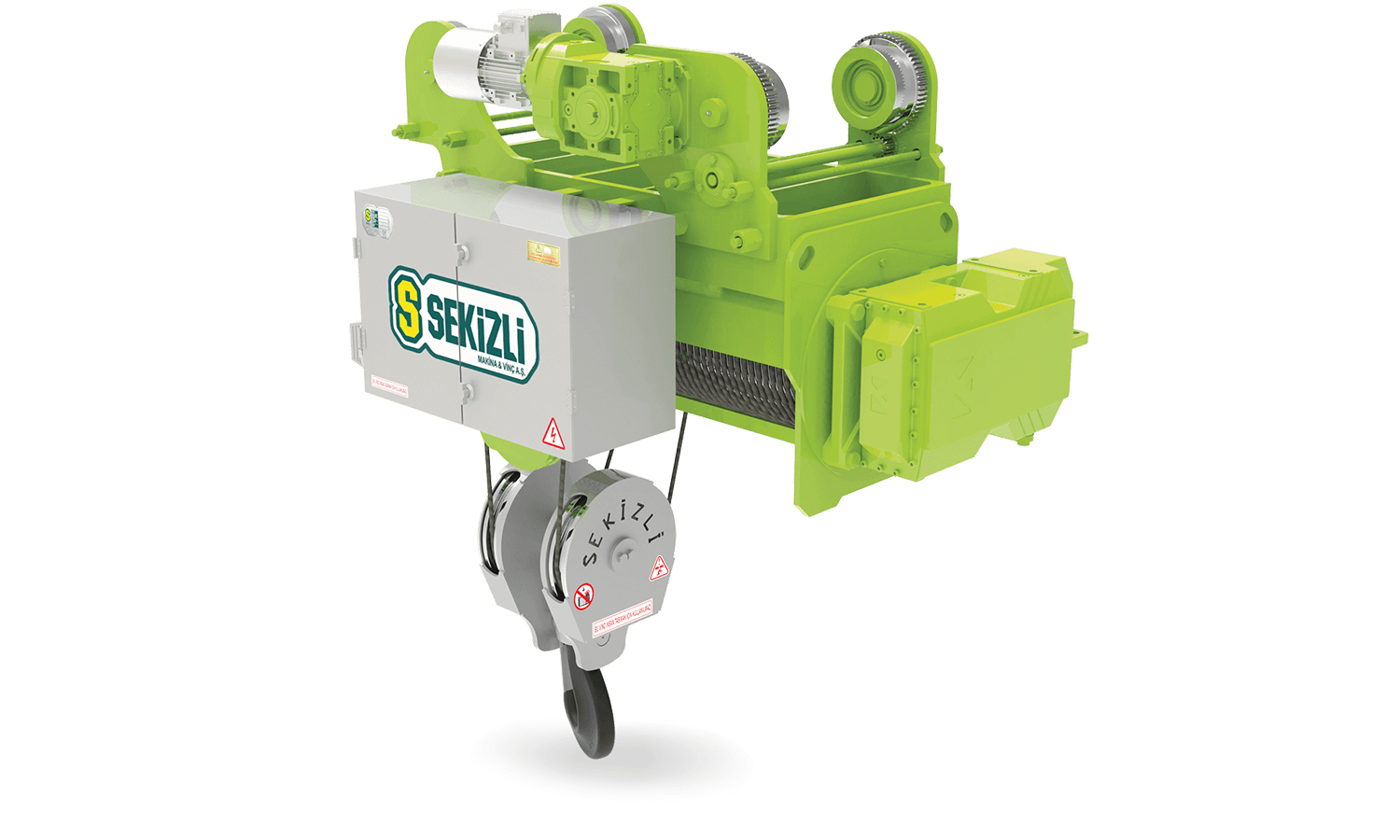
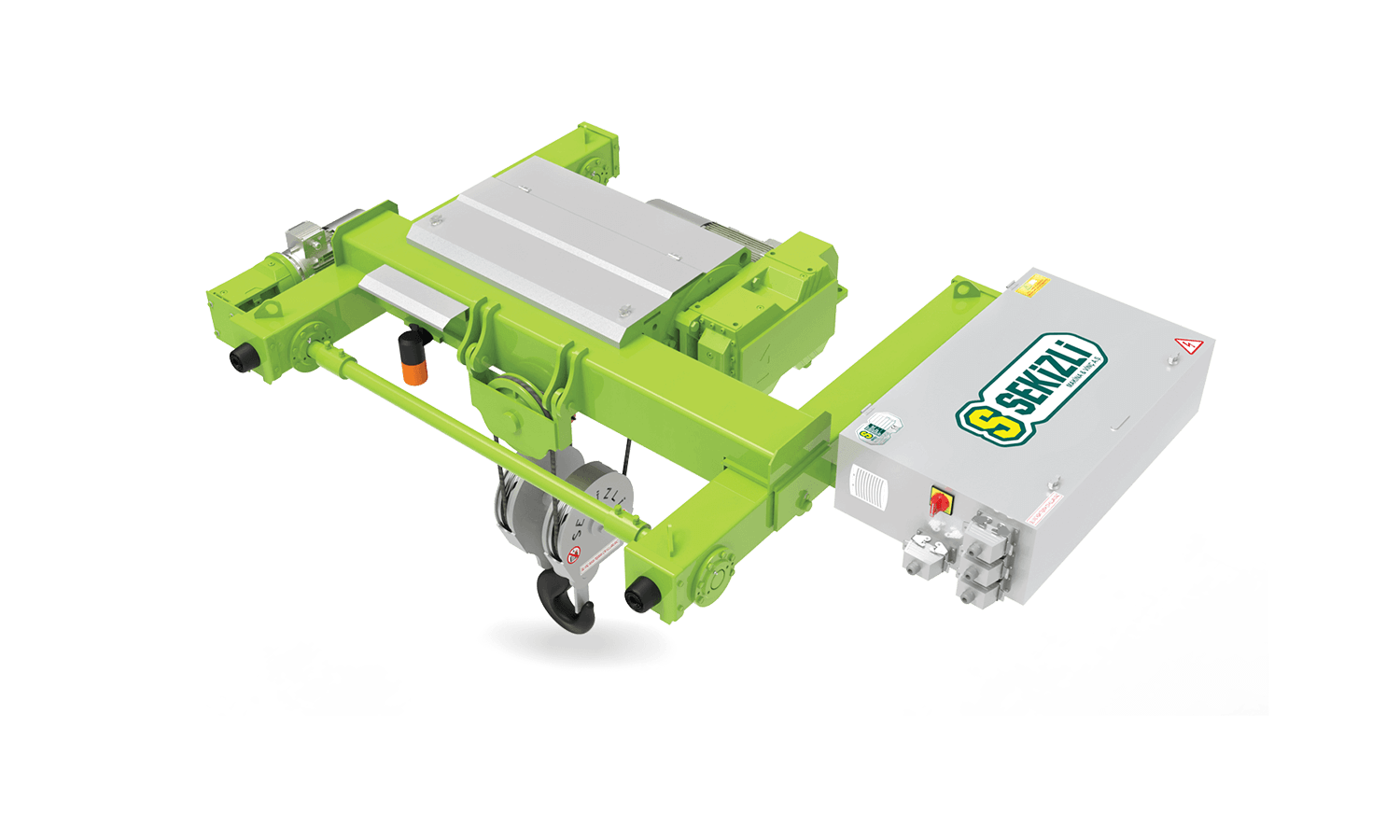
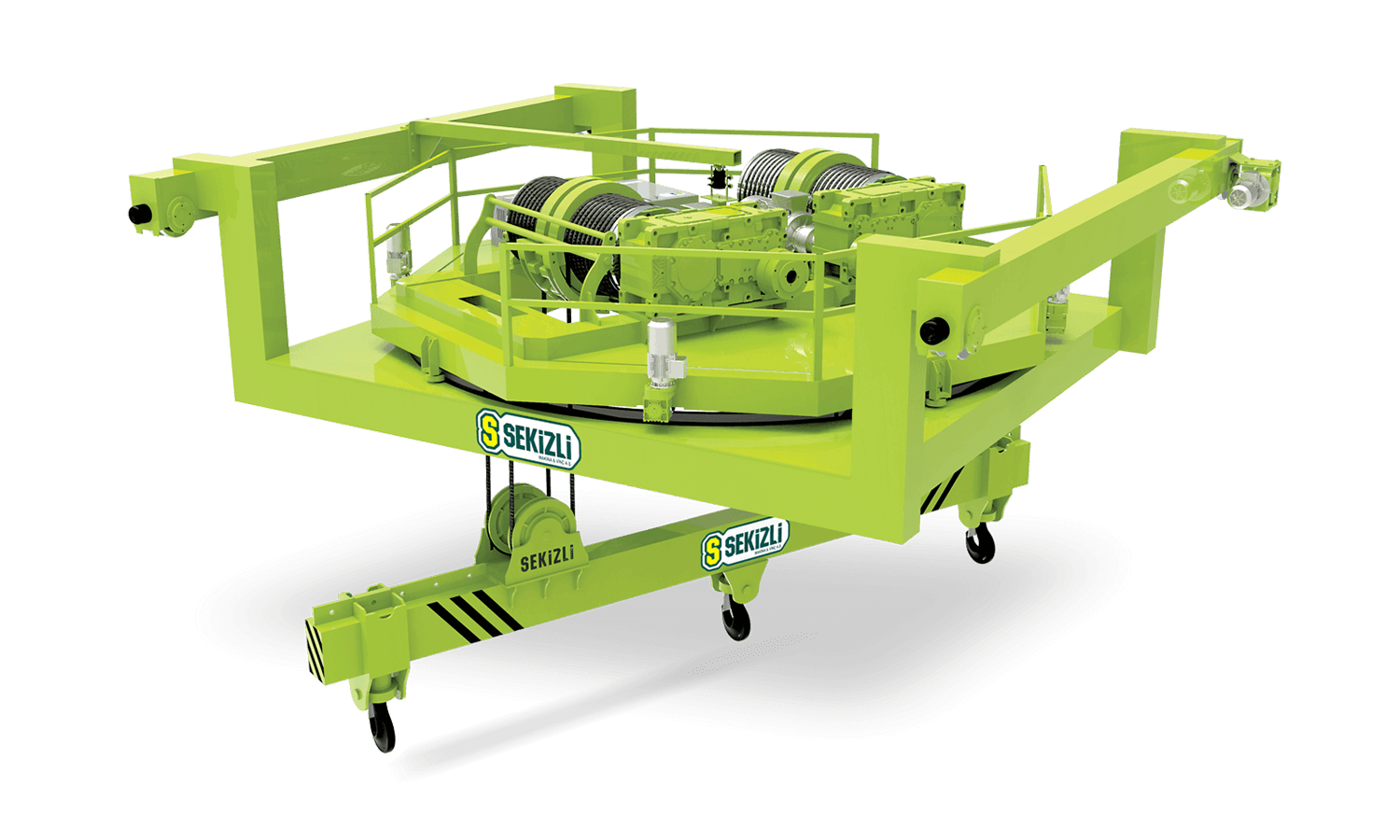
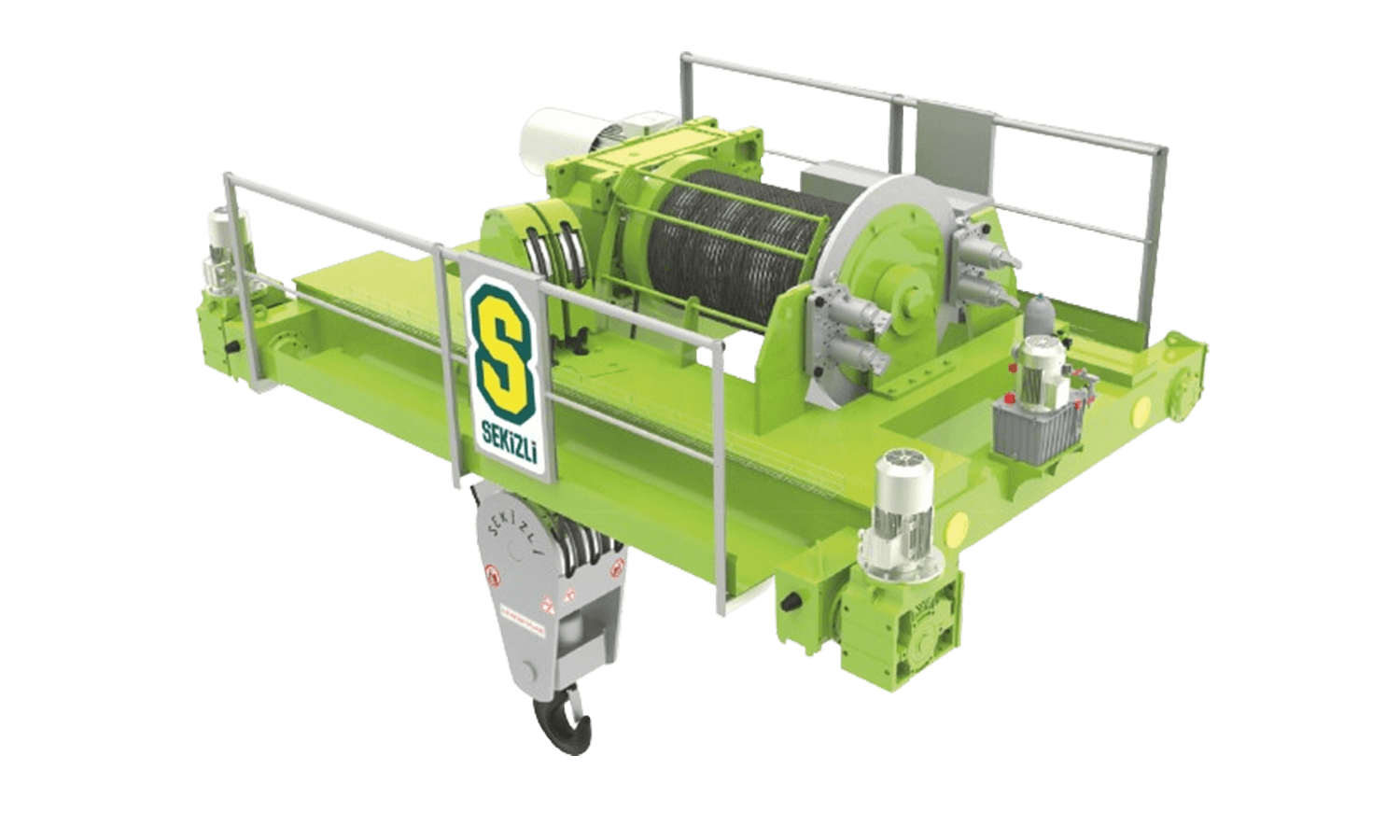
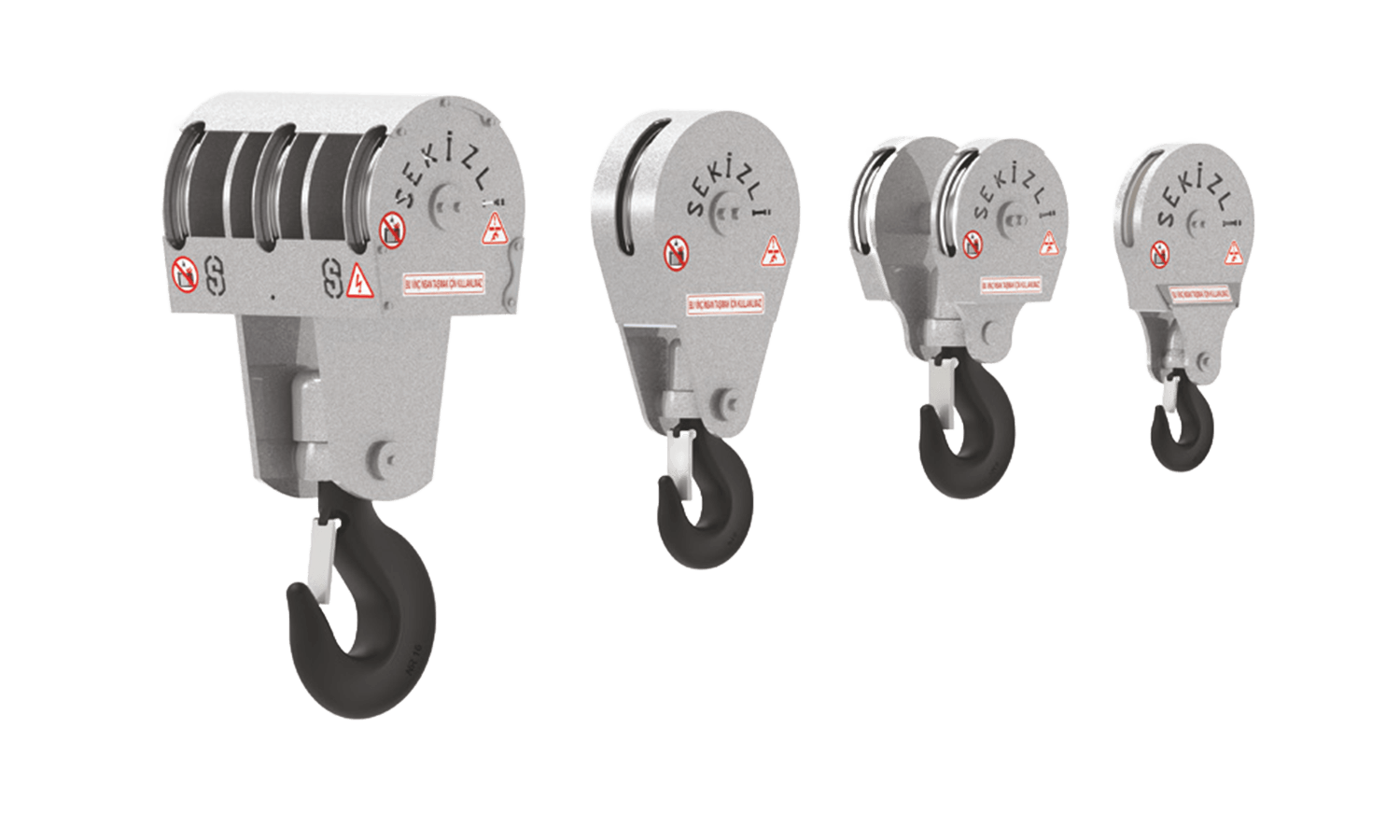
Lifting Group (Hoist/Trolley): The mechanism that pulls the load up and down and goes right and left on the bridge.
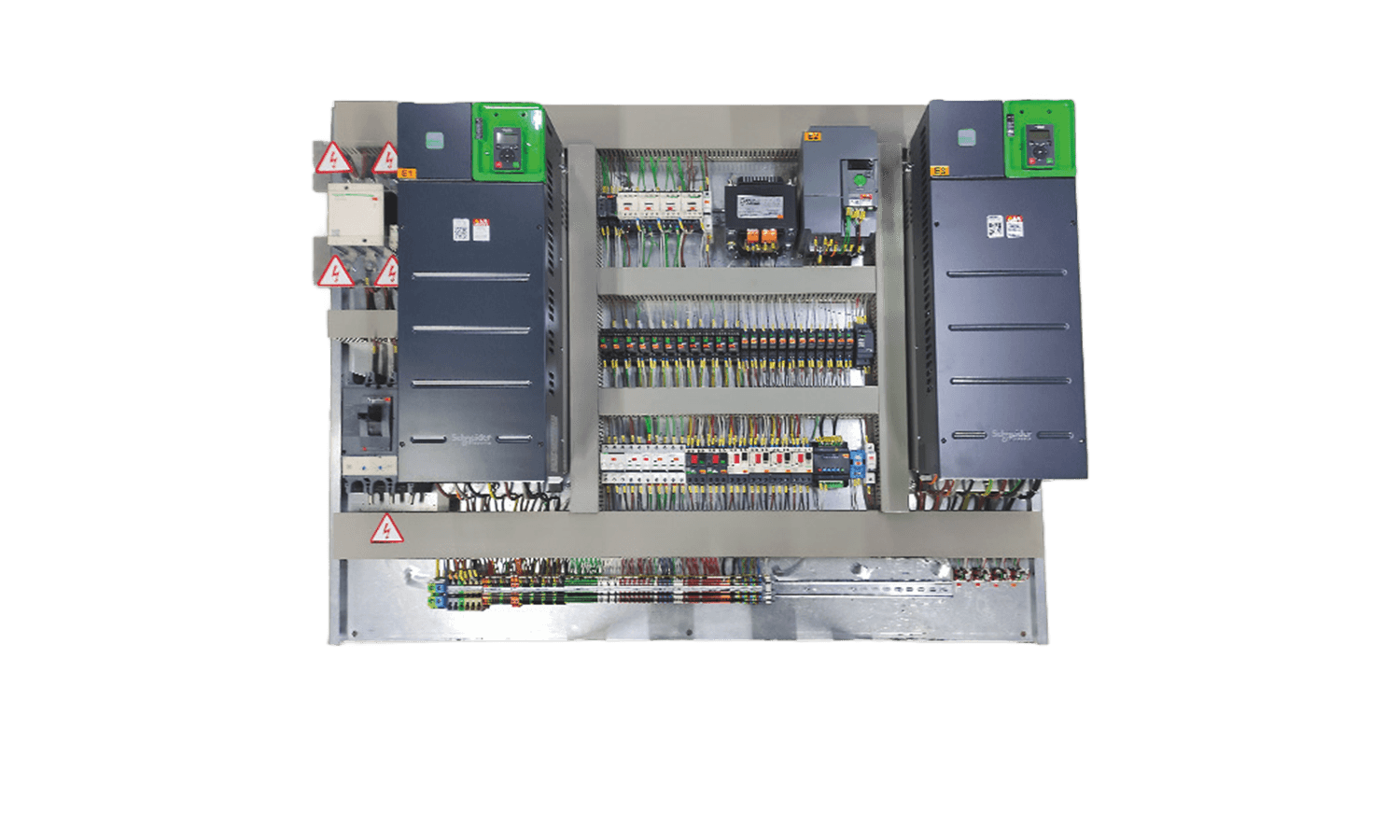
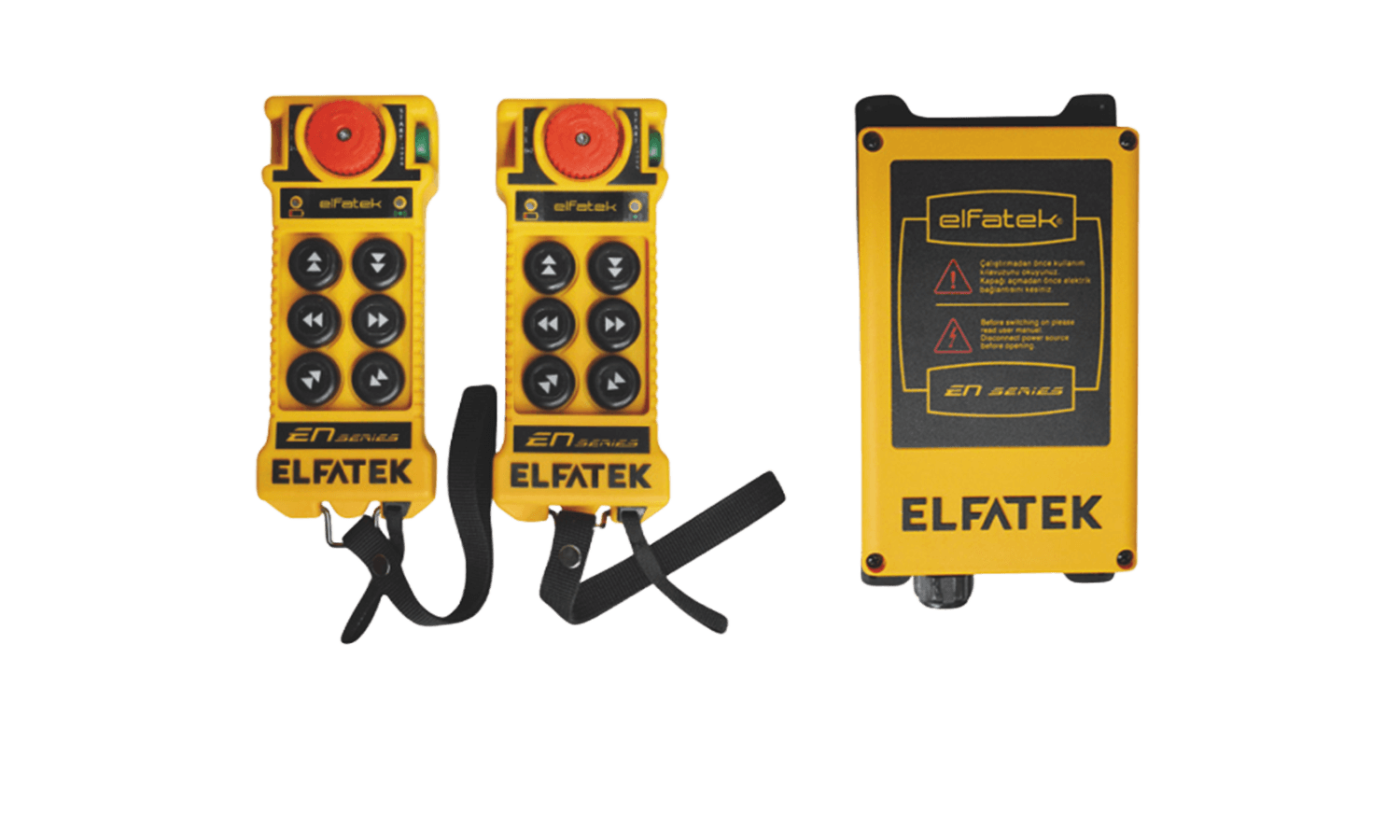
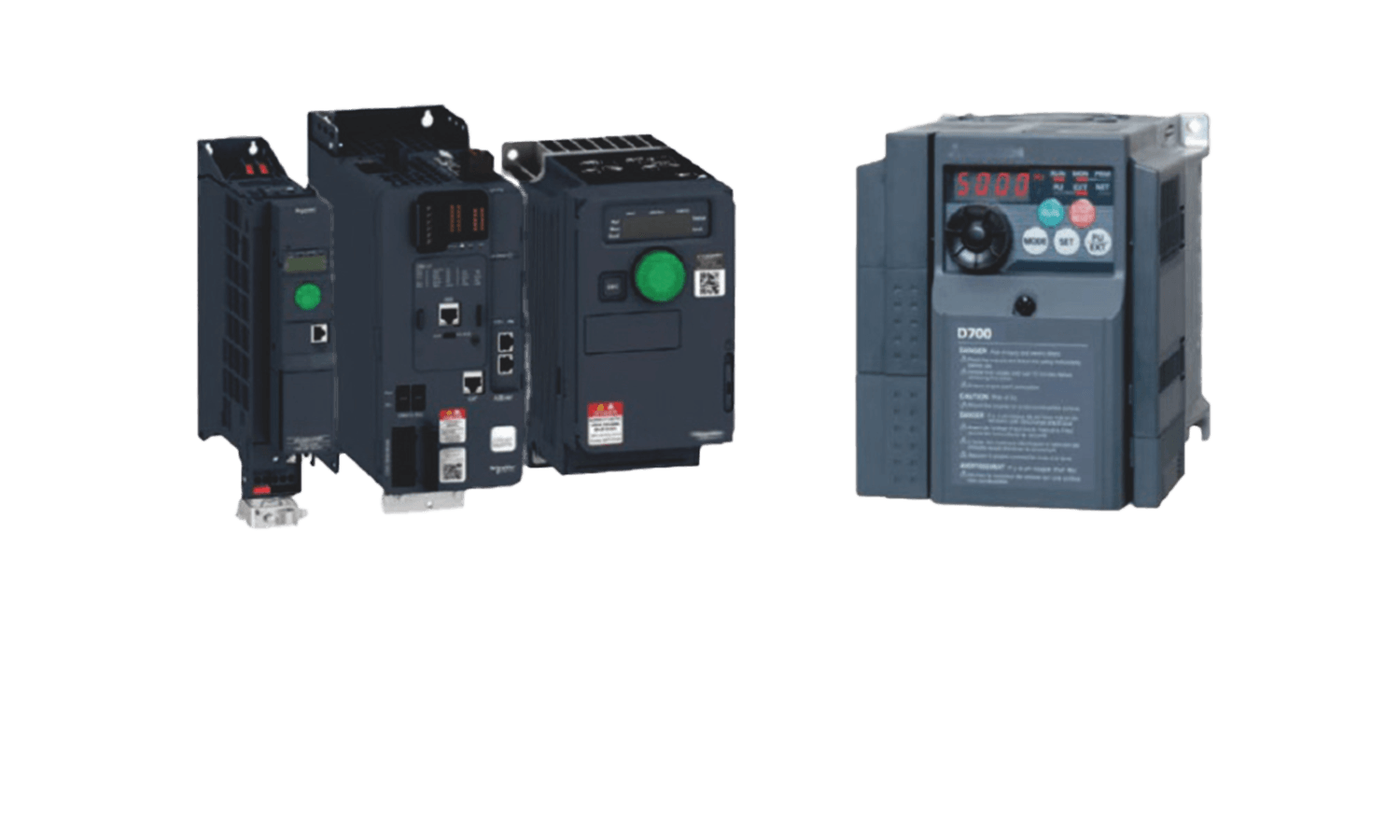
Control System: Managing the operation via remote control or cabin.
Conclusion
When selecting a crane, factors such as the load weight, working environment (indoor/outdoor), and ceiling height are decisive. Single-girder systems offer efficiency and low cost, while double-girder systems focus on strength and high performance. Both systems must be subject to periodic maintenance in accordance with occupational safety standards.